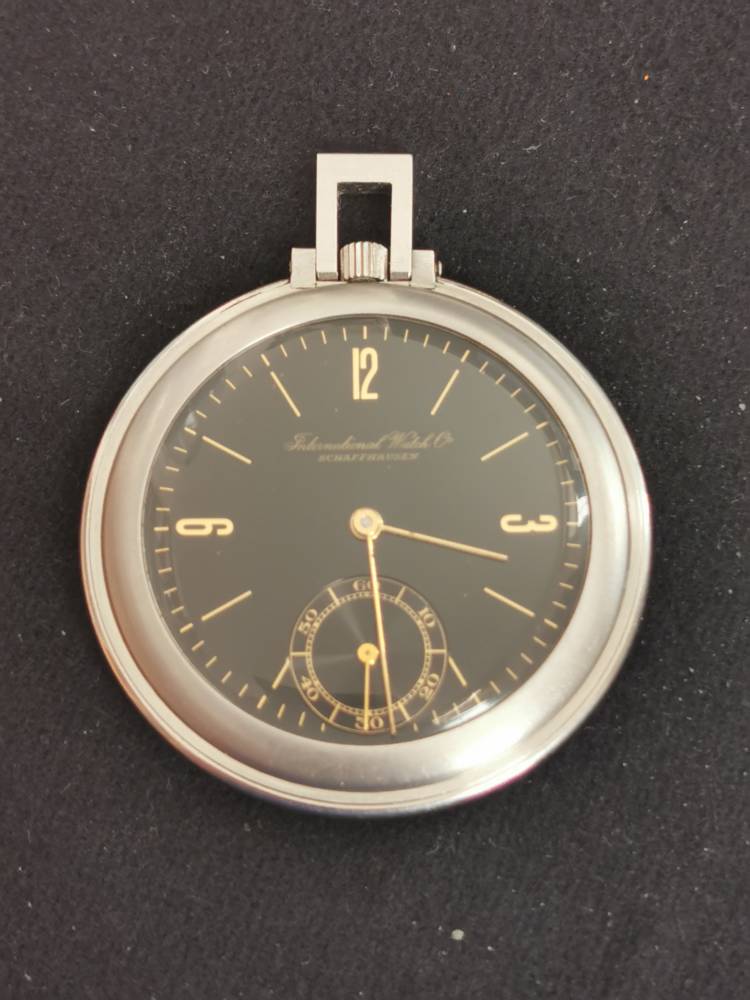
Thank you so much Tonny and what a phenomenal pocket watch you have! I think the dial was made by ZJ ( Zelime Jacot. Later Flückliger) who was among others like Stern Freres famous for making great gilt dials for IWC, as many other high end makers.
When it comes to Disco Volantes from IWC from that era, I think it's important to note that IWC did not state that there is a fixed production for this type of watch from this era. There could be more out there. Most of the pieces I found did not resurface on public trading platforms. A lot them came from collectors, or directly from the families. In regard to this I also feel it's important to mention that in the end of the day they are often times small, unassuming pieces. Finding your grandfather's steel IWC Disco Volante flies a little more under the radar (pun intended) then his full gold dive watch. So I think the most logical conclusion is that more examples exists, although there are rare.
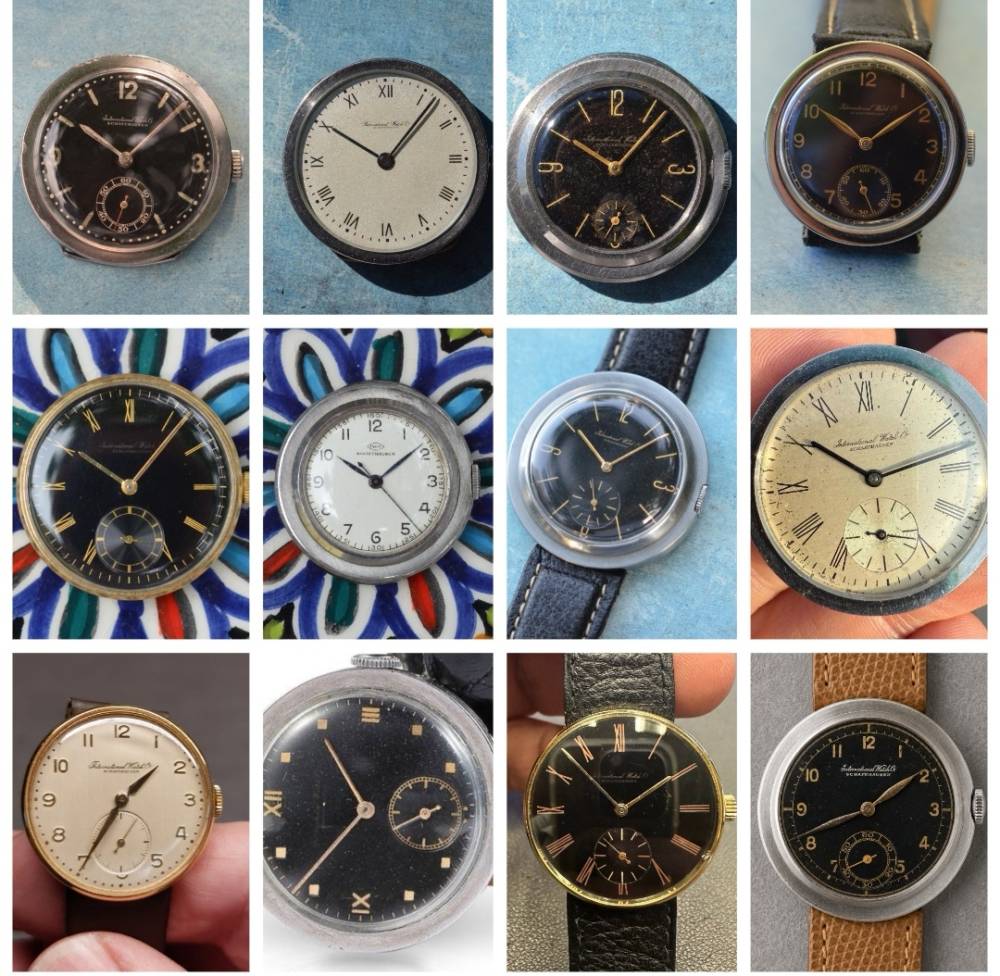
In regard of that I also think it's curious to mention that literally no example is the same. All examples can be broken into 3 different sizes and all have slightly different or radically different dials and even movements. From the pieces that only archival picture exists we have a piece with coin edge finishing and also an example with an unique thick bezel.
How these pieces exactly functioned for IWC I of course can't say with certainty. I think they did serve as a test platform to experience with a novice style of watch.
The period in which these examples were made we see also different companies making them in low quantities. If we take for example Rolex, Omega, Longines, Universal Geneve, Zenith and Movado. For all these companies, these pieces had reference numbers. Indicating a more serial approach to production. To my knowledge, these pieces did not have a reference numbers. Also the Certificates on some pieces do not mention them. In the period in which this style emerges (1920s) this design was very novice. I think IWC went ahead and made few examples for avant garde markets. Advertisements are mostly French.
What I think is special is that:
1. IWC did not experiment with any other functions apart from telling time. This is different from mainly Universal Genève and Movado at the time.
2. IWC did not only experiment with different sizes, but also heavily with cases and movements. I've never seen so many different case designs and movements used from such a small known amount of design language.
3. All dials are slightly different.
4. IWC only switched to reference numbers with more standard dials when de Deluxe models were introduced.
I am hyper curious as to IWC their archives regarding total production. I view them as an play ground for new design from an exiting era in design development in which the pocket watch still dominated.