I have an 1832 with an aged/damaged;tropical dial.
Have people seen other examples where a dial presents like mine?
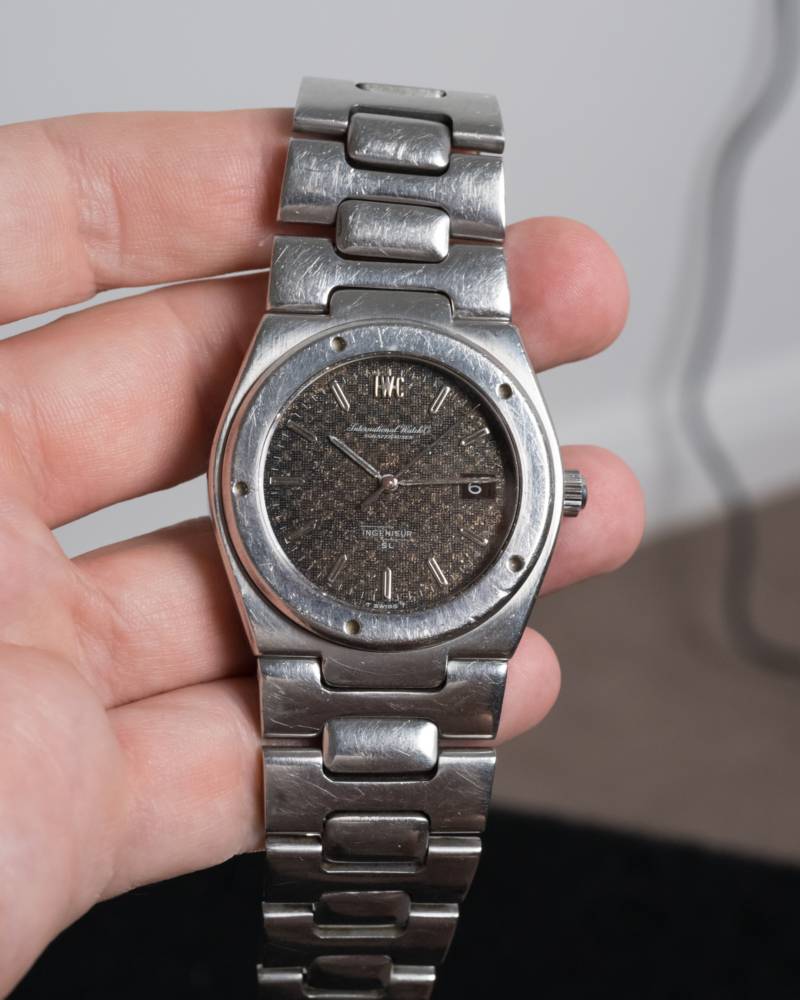
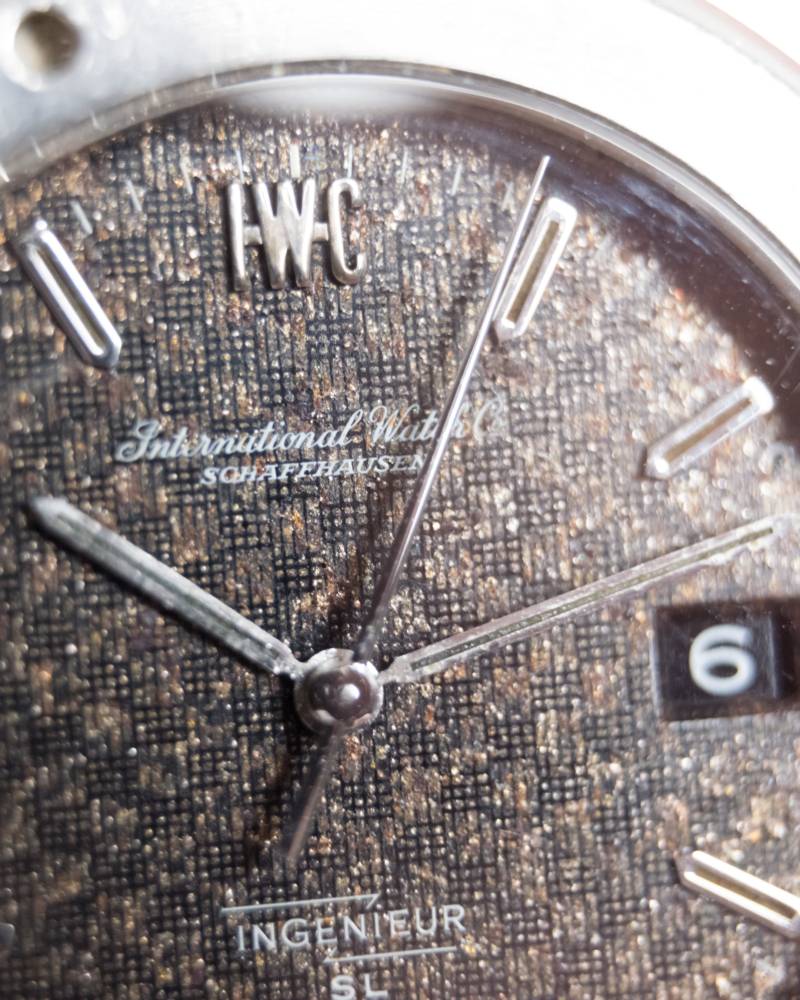
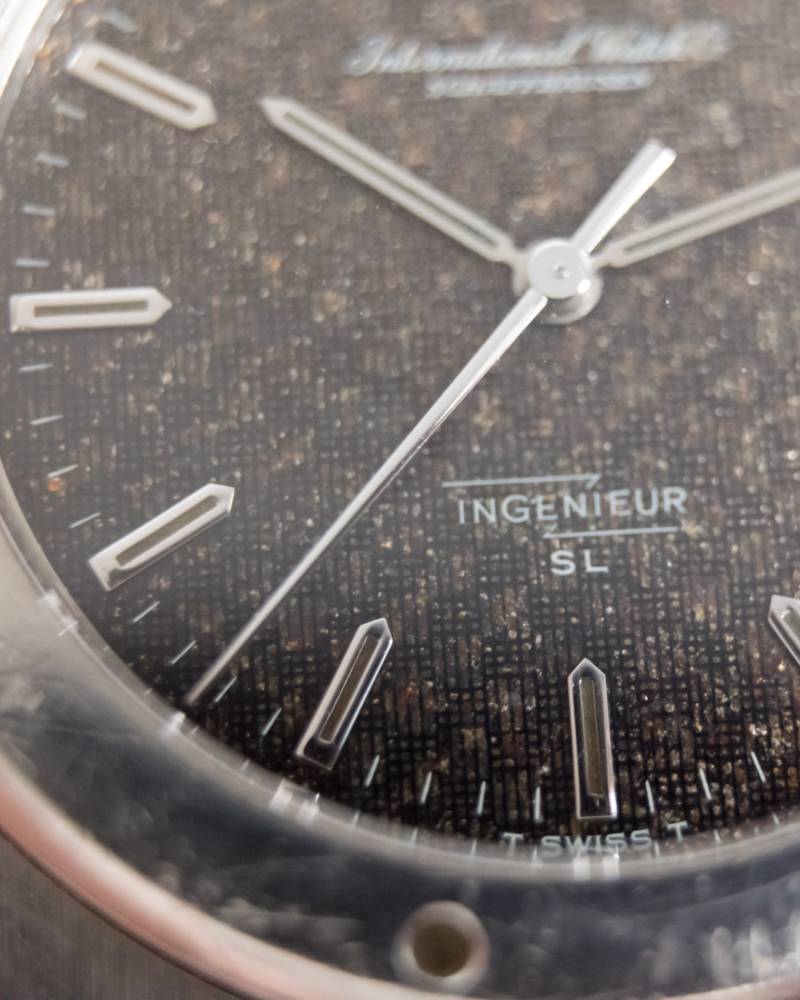

I have an 1832 with an aged/damaged;tropical dial.
Have people seen other examples where a dial presents like mine?
Hi Intothevoid,
whow that watch has seen some intense life. This is what a tool watch is made for.
br Cromagnonman
Hi,
the dial of the Ingenieur Ref. 1832 is made of soft iron for it's resistance against magnetic fields. As the protective coating on the dial ages, the soft-iron base of the dial may come into contact with oxygen and oxidize. This can then lead to damage - ageing like this.
br
Cromagnonman
Thanks. That’s interesting because the normal tropical process on vintage watches is a brass plate showing through a black lacquer. I haven’t seen another 1832 with this rusting. Presumably that’s partly down to there being few 1832s and I’m guessing others had replaced dials in service. Does that sound right? Have you seen others like this and does anyone have any images?
Hi Intothevoid,
The oxidation pattern on IWC's soft-iron Ingenieur dials is not unusual. Below is a photo of an IWC Ingenieur Ref. 3505 (image courtesy of the Vintage and Prestige website). The dial shows similar signs of oxidation to those on your watch. (you have to zoom in to see the problem)
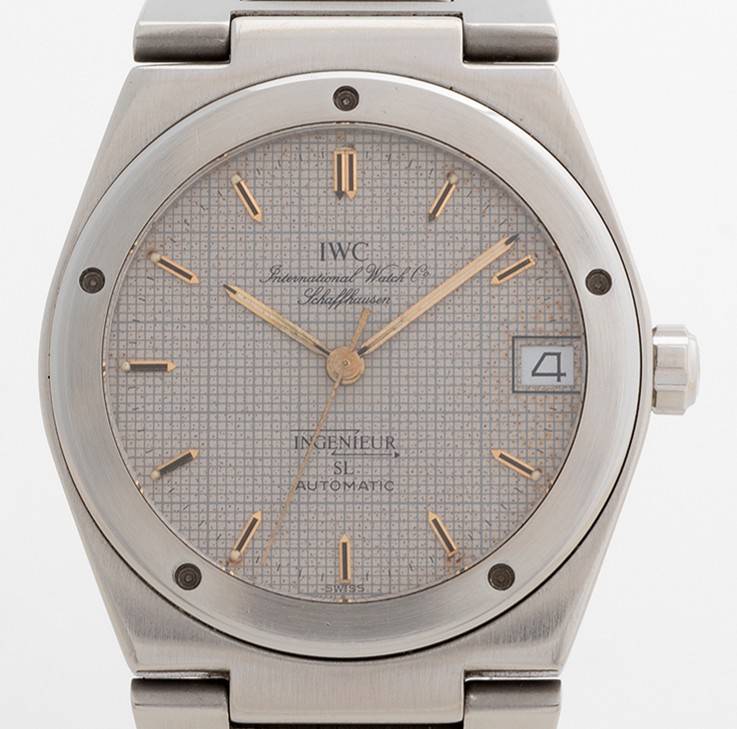
br
Cromagnonman
As chromagnon said: The dial of the 1832 is made of soft iron to grant the antimagnetic capabilties of the watch. Soft iron heavily tends to rust. Therefore for example many Mk. 11 dials show rust unless replaced during service.
Presumably there was some ingress of water/humidity with your watch, what resulted in these rust spots.
Th. Koenig
Heat/sunlight saturation is known to blister the dial shellac..which takes the paint with it given its design...it's why when you see this ^ the watch shows no damp ingress..but plenty of trapped flakes.

Hi George2121,
In this regard, the company Famous Stages operates much like IWC in Schaffhausen. One question remains: what will happen to that terrible-looking Ingenieur? It is certainly worth trying to send it to IWC to see what can be done. I assume IWC would achieve a perfect restoration, though some parts will likely need to be replaced. The watch is definitely worth it.
best regards
Maybe just keep it as it is?

Why Smart Investors Value Systems Over Predictions
Experience automated trading with Quantron AI. Your trading agent monitors the markets, executes trades on the exchange, and applies automated risk controls.
Online Presence: support@quantronai.com
Discord: https://discord.gg/Ef5AD5bduq