Dear Petr
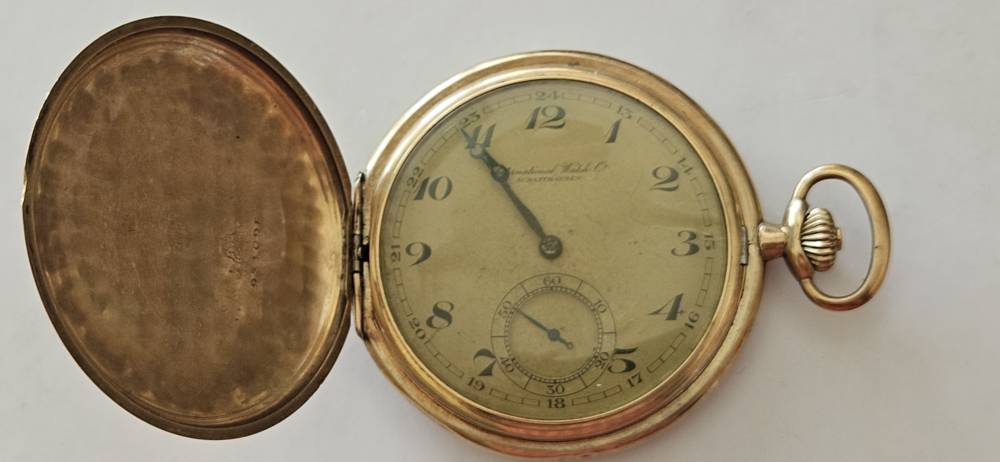
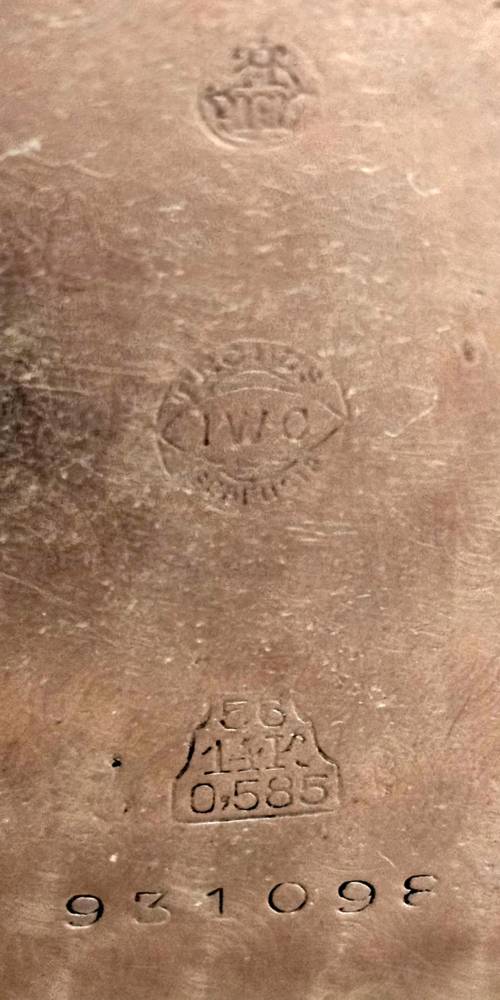
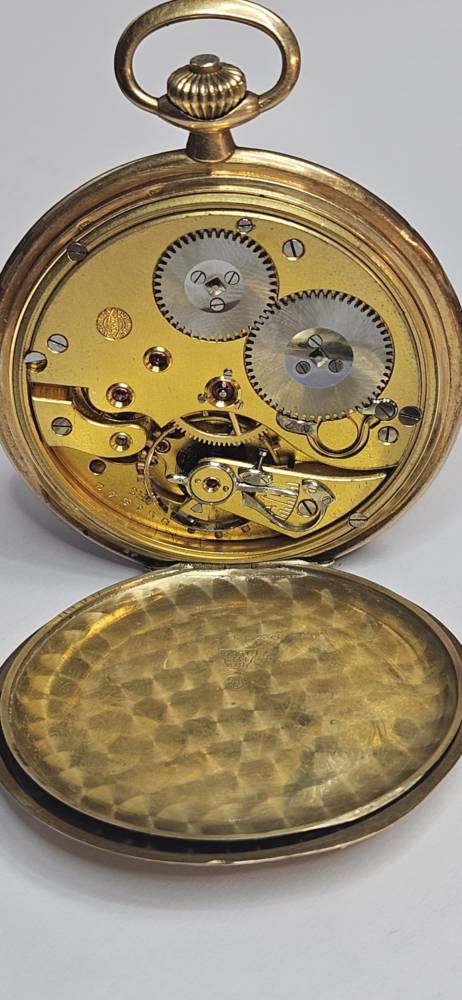
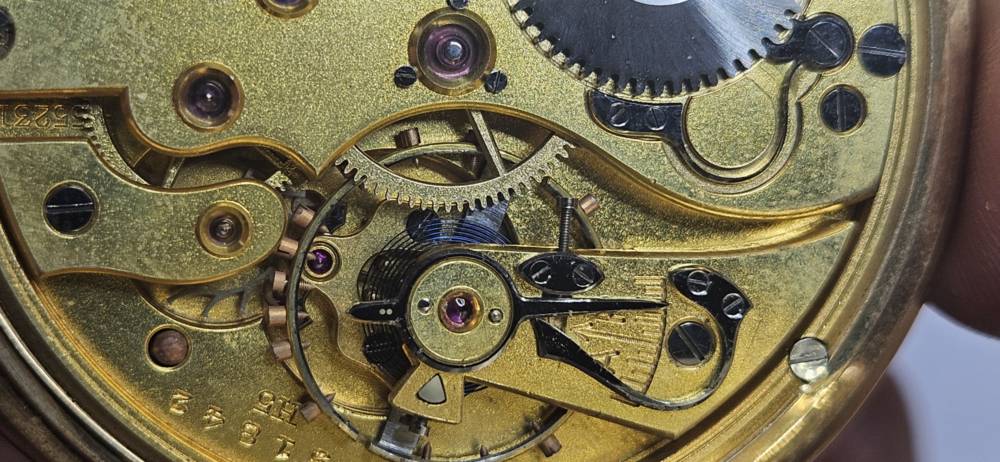
The movement is clearly a Cal. 53 H 5 (Savonette/Hunter), a twin of IWC's "working horse" Cal. 52 (Lepine/Open Face). The movement as well as the case number indicate it was produced in the late twenties of the last century, the case a little bit later (end of the twenties, very early thirties).
I'm afraid the ledgers of IWC won't really help, as in that period the global economic crisis resulted in a sharp decrease of the headcount of IWC's staff, what in turn resulted in inaccuracies pertaining the entries in the ledgers. In that period IWC stopped its old very precise system of "book keeping" and from that time on the clear documentary evidence, that movement and case left Schaffhausen together ("matching numbers"), regularly is not existing. At best you can establish, whether or not the case and the movement were sold at the same day to the same wholesaler (who maybe bought three dozen watches in the same shipment). The wholesaler sold the watch to a retailer and the retailer to the end customer. IWC have no records, when the wholesaler sold the watch to the retailer and when the retailer to the end customer. The final sale might have taken place a decade or two later. I personally bought several new pocket watches from retailers, which he had in stock for some 25 years.
So don't mix up the year of production, the year of sale to the wholesaler, the year of the sale to the retailer and the year of the sale to the gentleman, who bought and wore the watch.
As the Cal. 53 H 5 is a slim one (and the time was hard not only for the watch industry, but the consumers as well the whole watch quite sure weighs less than 100 gr. Subtracting the weight of the crystal, the movement and the spring to open the front cover there is not much left for the case/the solid gold.
Your pics show that the watch needs some attention including the spring to open the front lid. Therefore I recommend to invest the money in a spa for the watch instead in a certificate from Schaffhausen.
Regards
Th. Koenig